
Key Takeaways
- Adult strabismus is a misalignment of the eyes that often results in noticeable symptoms such as double vision, eye strain, and reduced depth perception.
- Unlike children, adults are less able to naturally compensate for eye misalignment, leading to more significant visual and functional challenges.
- Early evaluation and treatment are essential for restoring visual comfort, alignment, and quality of life.
- Modern non-surgical and surgical interventions provide highly effective solutions for adults seeking enhanced vision and improved appearance.
- Recognizing symptoms early—such as sudden double vision or visible eye deviation—helps ensure a timely and accurate diagnosis.
Understanding Adult Strabismus
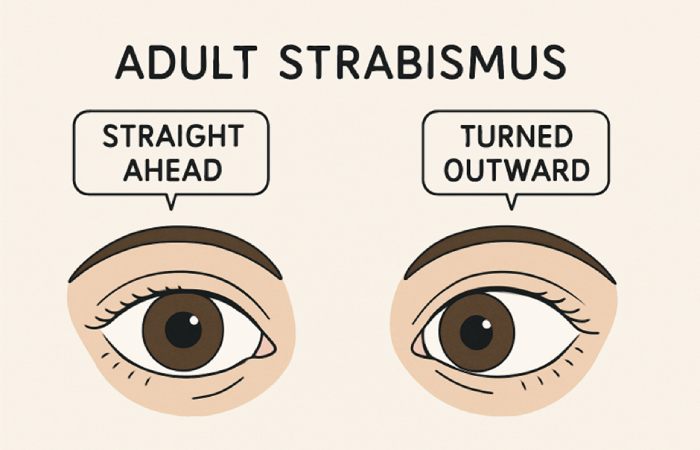
Adult strabismus, often referred to as crossed eyes, is a vision disorder where the eyes do not properly align with each other. This misalignment can develop due to complex neurological, muscular, or systemic factors. Unlike children, whose brains may adapt to slight misalignments, adults with strabismus are more likely to experience pronounced symptoms that can disrupt everyday activities. Addressing this condition early through resources such as PES Adult Strabismus can lead to improved visual function and quality of life.
When the eyes point in different directions, it impacts more than just appearance—misalignment can compromise depth perception, visual clarity, and general comfort. Adults may notice these changes suddenly or gradually, frequently feeling puzzled about the root cause. Understanding the underlying mechanisms is vital for seeking the appropriate medical and surgical guidance.
For many, the realization that something is amiss comes when once-simple visual tasks—such as reading, driving, or recognizing faces—become challenging. The emotional toll of visible eye misalignment, paired with the frustrations of visual discomfort, can be significant. Modern medical interventions offer hope, making timely recognition and diagnosis critically important.
Common Symptoms to Watch For
- Double Vision: Adults with strabismus often report seeing two images of single objects, which can lead to confusion and discomfort during routine visual tasks, such as driving, working on a computer, or watching television. This double vision can vary in intensity depending on the direction of gaze and the level of fatigue.
- Eye Misalignment: The most evident symptom is the visible divergence or convergence of one or both eyes. Friends or family may be the first to notice these changes, often commenting that one eye appears “off” or not tracking properly.
- Depth Perception Problems: Judging distances can become considerably more challenging, increasing the risk of falls, spills, or difficulties with tasks that require precise hand-eye coordination — an issue that often leads individuals to explore options like Strabismus Surgery DFW for improved visual alignment and depth perception.
- Eye Strain and Fatigue: Ongoing efforts to focus and fuse images may lead to significant visual fatigue or headaches, particularly after reading or lengthy use of digital devices.
- Head Tilting or Turning: Many adults subconsciously turn or tilt their heads to attempt to restore binocular vision, which, over time, can result in chronic neck pain or stiffness.
Potential Causes of Adult Strabismus
Understanding the various causes of adult strabismus is crucial for accurate diagnosis and treatment. Common causes include:
- Neurological Disorders: Conditions such as stroke, multiple sclerosis, or brain injuries can affect the cranial nerves responsible for controlling extraocular muscle movement, resulting in sudden misalignment.
- Systemic Diseases: Medical conditions such as thyroid eye disease and diabetes can lead to muscle or nerve dysfunction, which can disrupt eye alignment.
- Trauma: Head injuries can directly damage the brain areas or nerves that control eye movements, sometimes emerging months or even years post-injury.
- Previous Surgeries: Some adults develop strabismus after cataract, retinal, or other ocular surgeries, either as a direct complication or due to post-surgical scarring.
When to Seek Medical Attention
If you experience sudden or gradually worsening eye misalignment, double vision, or other symptoms of strabismus, it’s important to seek an evaluation from an eye care professional. Early intervention is crucial in preventing further complications and ensuring that the most effective treatment options remain available. A thorough eye examination, which may include imaging and neurological assessment, can help uncover the underlying cause and guide effective management.
Diagnostic Procedures
Specialists utilize a range of diagnostic tools to identify and assess strabismus accurately. Commonly used exams and tests include:
- Visual Acuity Test: Determines how well each eye sees at specific distances, revealing discrepancies often present in strabismus.
- Cover Test: Observation of how the eyes react when each is alternately covered and uncovered helps pinpoint misalignment angles and types.
- Ocular Motility Test: Evaluates the eyes’ ability to move in all directions and whether specific movements exacerbate or worsen symptoms.
- Neurological Assessment: Evaluates for underlying brain or nerve conditions that could be contributing to the misalignment.
Treatment Options
Non-Surgical Methods
- Corrective Lenses: For some, glasses or contact lenses can help improve visual alignment, especially if refractive errors are also present.
- Prism Lenses: Prism lenses built into glasses can compensate for mild misalignments and reduce or eliminate double vision.
- Orthoptic Exercises: Specific eye exercises performed under professional supervision may strengthen weak muscles or improve coordination in selected cases.
Surgical Interventions
- Eye Muscle Surgery: In cases where non-surgical treatments are insufficient, surgical realignment of one or more eye muscles may be recommended. This is a highly specialized procedure that can offer dramatic improvements in visual function and appearance.
Impact on Quality of Life
Strabismus in adults, when untreated, can lead to significant difficulties—both practical and emotional. Persistent double vision and challenges to depth perception may limit independence and productivity. At the same time, the social consequences of visible eye deviation can lead to anxiety, low self-confidence, and a reduced quality of life. Prompt intervention not only restores visual function but also supports psychological and social well-being.
Final Thoughts
Early recognition of adult strabismus symptoms increases the likelihood of successful treatment. Through accurate diagnosis and tailored therapies, individuals can return to normal activities and enjoy both clearer vision and a boost in self-confidence. If you experience possible signs of strabismus, contact an eye specialist to discuss solutions that can restore alignment—and peace of mind.